
News
November 23, 2026
CentraleSupélec Alumni 2026 Events: How Energy and Data Are Accelerating Electrification
November 20, 2026
Electrification: How Energy and Data Are Becoming the Keys to Successful Transformation
How can electricity be made a driver of decarbonisation, competitiveness, and industrial sovereignty for France? This was the question that brought together experts, executives, entrepreneurs, engineers, alumni, and students at the 4th edition of the CentraleSupélec Alumni Meetings. At the event, Equans Digital shared its vision for effective electrification: connecting infrastructure, making energy data actionable, and intelligently managing energy usage to transform isolated equipment into true energy ecosystems.
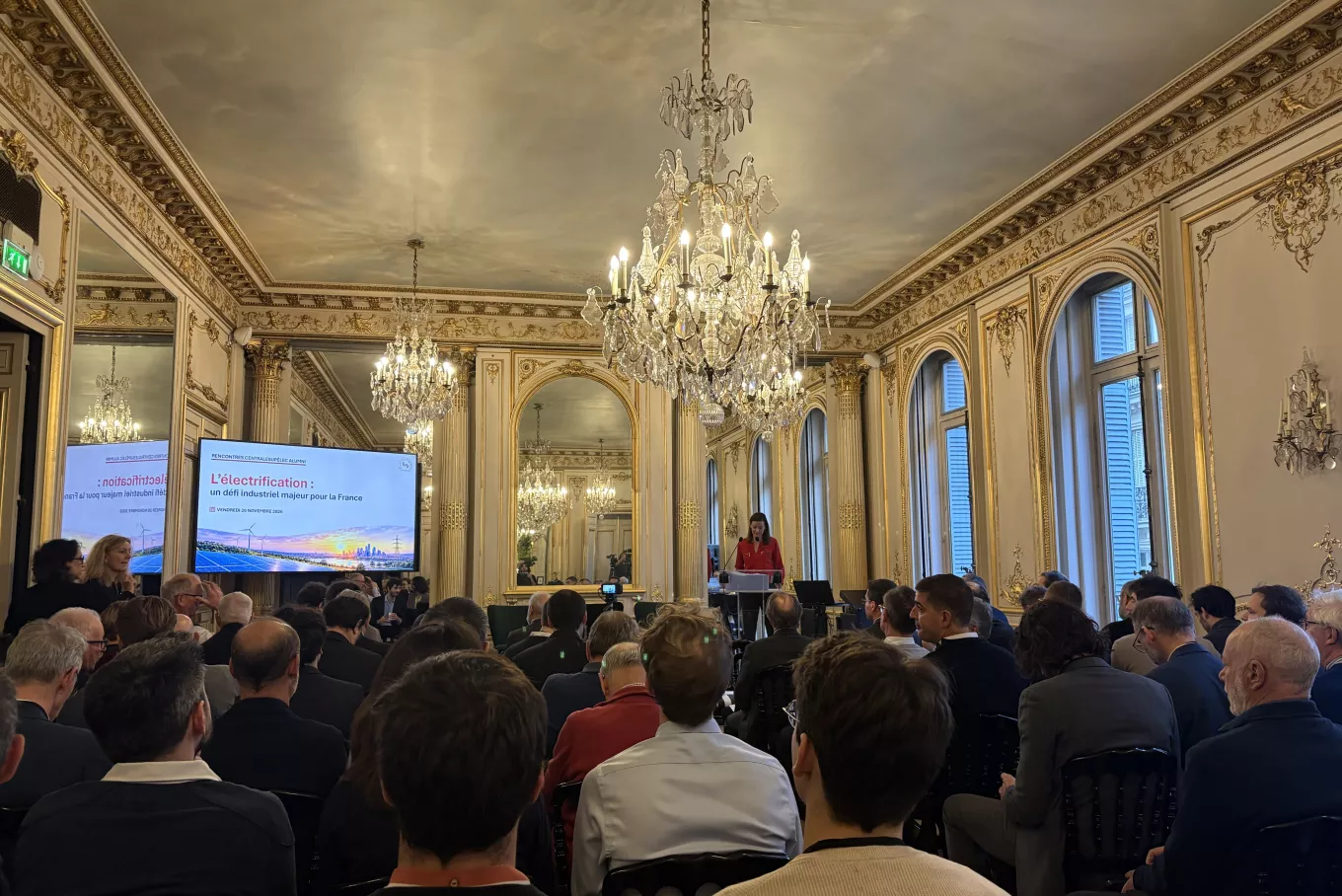
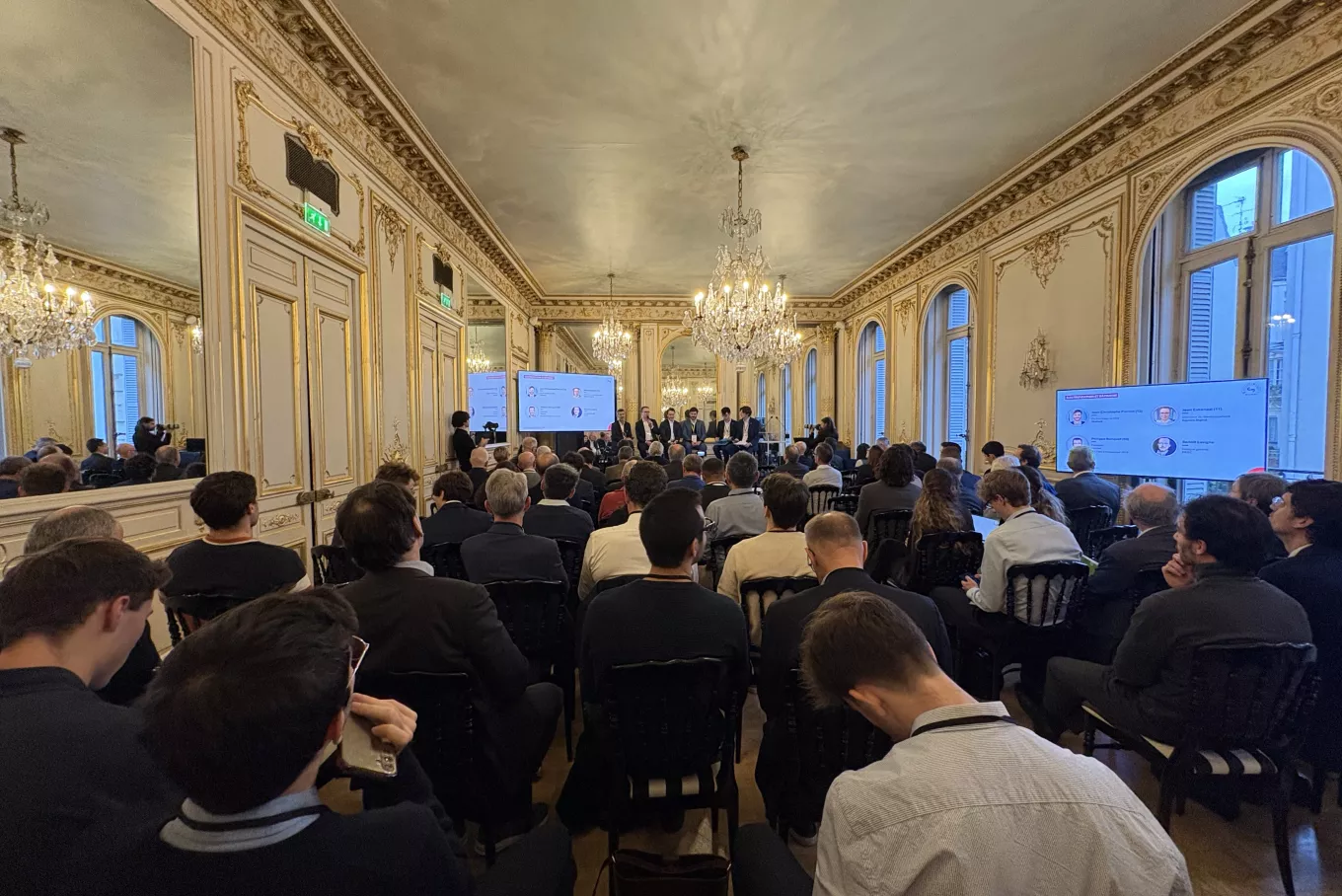
The 2026 CentraleSupélec Alumni Conference Focuses on the Challenges of Electrification
Organised around the theme “ Electrification: A Major Industrial Challenge for France”, the 4th edition of the CentraleSupélec Alumni Conference brought together stakeholders committed to the country’s energy transition.
In a context where decarbonisation goals, energy constraints, and industrial competitiveness imperatives are intensifying, electrification is emerging as one of the key drivers for accelerating the energy transition. But this transformation goes far beyond simply replacing thermal equipment with electric equipment.
Whether it involves buildings, industrial infrastructure, logistics platforms, or mobility, performance now depends on the ability to manage energy through data. As a partner in this edition, Equans Digital participated in several key sessions to share its expertise on the challenges of electrifying buildings and mobility.
From Electrified Buildings to Data-Driven Buildings
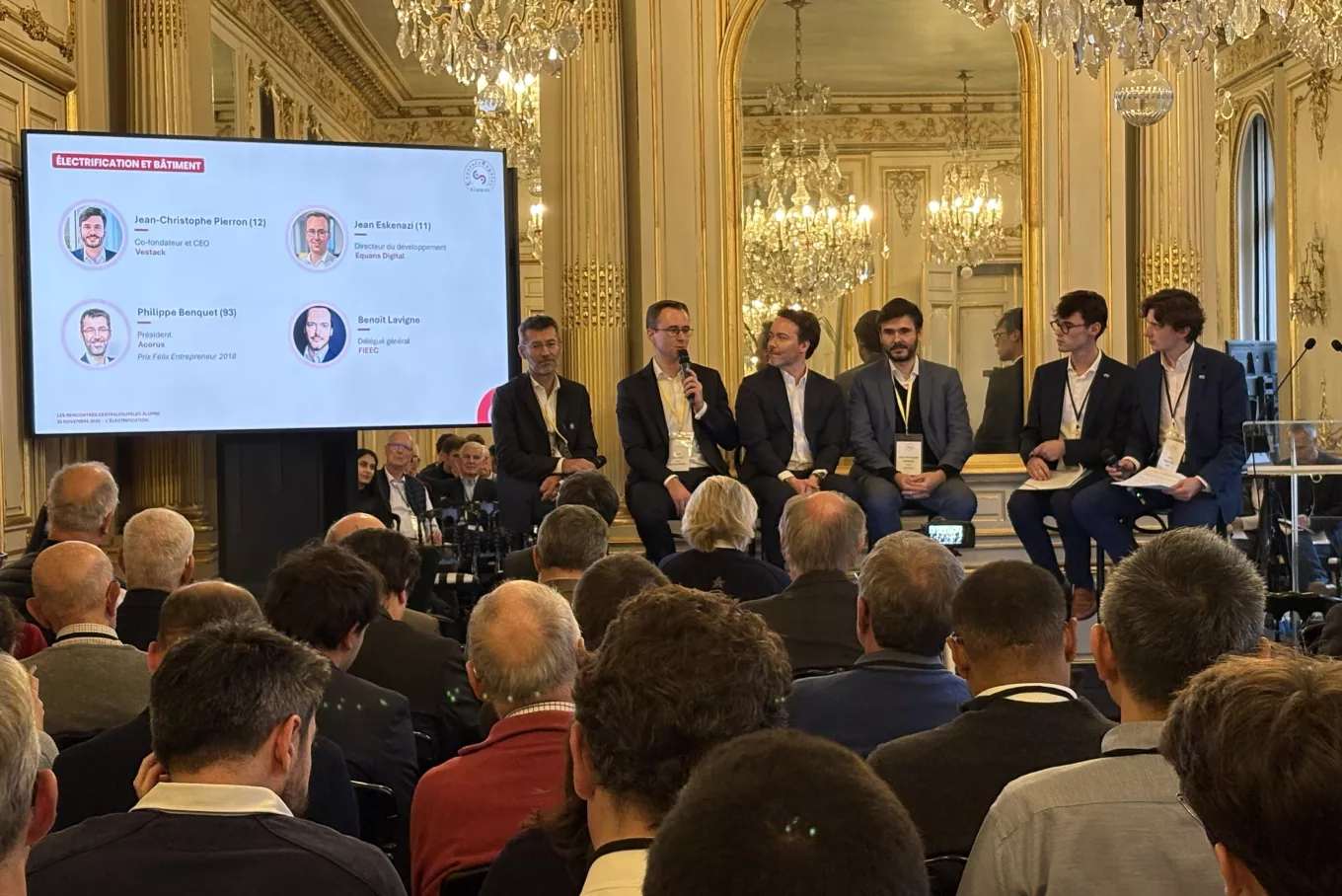
During the roundtable discussion on electrification and the building sector, Jean Eskenazi, Director of Development at Equans Digital and a CentraleSupélec alumnus, spoke alongside Jean-Christophe Pierron (Vestack), Philippe Benquet (Acorus), and Benoît Lavigne (FIEEC). The discussion highlighted a reality now shared by all industry stakeholders: electrification creates sustainable value only when accompanied by control over energy flows.
Today, a building can incorporate photovoltaic panels, battery storage systems, electric vehicle charging infrastructure (EVCI), HVAC equipment, and Building Management Systems (BMS) and advanced energy measurement and monitoring devices.
However, true performance is only achieved when these systems communicate with one another and are managed based on a consolidated view of the site’s data. By connecting energy assets and their data, facility operators can monitor consumption in real time, identify flexible usage patterns, optimise energy trade-offs, reduce power peaks, and improve the building’s operational efficiency.
The building then becomes a true, controllable energy asset capable of adapting to grid constraints, occupant needs, and environmental performance goals.
At the event’s Marketplace, Equans Digital presented its approach to energy flexibility, designed to support organisations in their electrification projects. The goal is simple: to move from a strategic ambition to a concrete, measurable, and quantified energy scenario.
Understanding
The first step is to develop a clear picture of the site’s energy flows—including consumption, local generation, charging infrastructure, batteries, and power constraints. This comprehensive understanding makes it possible to identify the optimisation levers that are actually available.
Simulate
Using the Flexibility Simulator developed by Equans Digital, various scenarios can be evaluated before any investment is made: adding charging stations, installing a solar power plant, integrating batteries, managing new electrical uses, and changes in grid constraints. The goal is to anticipate the energy, technical, and economic impacts of each decision.
Manage
Once the scenarios have been validated, energy flexibility enables the management of vehicle charging, the reduction of consumption peaks, the optimization of self-consumption, the management of energy storage, and the prioritisation of uses based on energy availability. Electrification thus becomes a concrete driver of energy and economic performance.
Discussions at the 2026 CentraleSupélec Alumni Gathering confirmed a fundamental trend: electrification is no longer just a matter of technology.
To address the challenges of decarbonisation, competitiveness, and energy sovereignty, organisations must now be able to connect, understand, simulate, and manage their energy assets.
For Equans Digital, the conviction is clear: electrification truly delivers when energy and data are managed together.
Electric Mobility: Integrating Charging into a Comprehensive Energy Strategy
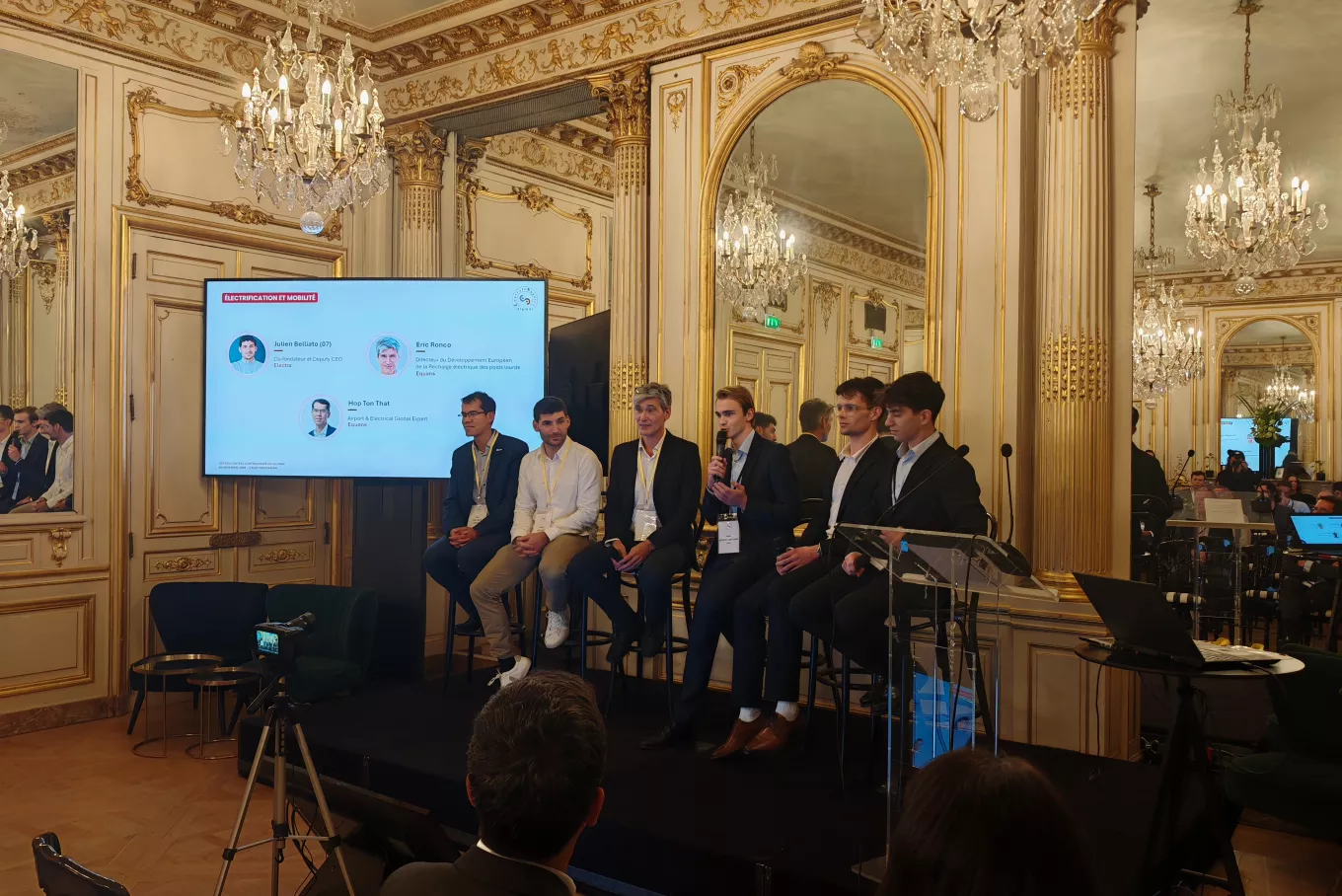
Another major topic addressed at this year’s event: electric mobility. Eric Ronco, Director of European Development for Heavy-Duty Electric Charging, and Hop Ton That, Airport & Electrical Global Expert at Equans, participated in discussions focused on the sector’s transformations alongside Julien Belliato, Co-founder and Deputy CEO of Electra.
The electrification of mobility is currently accelerating rapidly. However, the real challenge no longer lies solely in installing charging stations. From light-duty vehicles to heavy-duty trucks, and from logistics hubs to ports and airports, organisations must now integrate charging needs into a comprehensive energy strategy.
A few figures illustrate this trend: sales of electric heavy-duty vehicles rose by 52.9% in Europe in 2025; in France, they increased by 61.5% between 2024 and 2025; despite this growth, electric vehicles still account for less than 1% of the European heavy-duty truck fleet.
This transformation must also address several challenges: limited availability of electrical power, connection constraints, significant investments, and the simultaneous management of a site’s energy uses. In other words, electrifying mobility also means rethinking the entire energy ecosystem surrounding it.
Equans Digital Platform: A Unified Approach to Energy and Data
To achieve this level of control, organizations need a platform capable of connecting data, equipment, and business processes. This is precisely the goal of Equans Digital Platform.
This approach makes it possible to:
- connect existing equipment;
- centralise energy data;
- monitor flows in real time;
- simulate future scenarios;
- manage energy usage;
- support decarbonisation strategies.
Today, electrification cannot be separated from digital transformation. The combination of energy and data forms the essential foundation for smarter, more flexible, and more resilient infrastructure management.
FAQ: Everything You Need to Know About Electrification, Electric Mobility, and Energy Flexibility
The electrification of buildings involves gradually replacing fossil-fuel-based systems with more efficient electrical equipment, such as heat pumps, electric vehicle charging infrastructure, photovoltaic systems, and energy storage solutions. The electrification of buildings contributes to decarbonisation while improving energy efficiency when energy use is managed using data.
Data plays a vital role in an electrification project because it helps understand energy consumption, identify flexible uses, and control equipment in real time. Without reliable and actionable data, it becomes difficult to optimise the use of electrical infrastructure, reduce energy costs, or maximize self-consumption.
Energy flexibility refers to the ability of a building, industrial site, or infrastructure to adjust its energy consumption, production, or storage based on grid constraints and operational needs. Energy flexibility makes it possible, in particular, to reduce consumption peaks, optimise the charging of electric vehicles, and make the most of available energy resources.
To ensure the success of a mobility electrification project, it is necessary to go beyond simply deploying charging infrastructure. A mobility electrification project must take into account the site’s energy constraints, power management, business use cases, charging needs, and smart control capabilities to ensure its technical and economic viability.
Equans Digital supports electrification projects by helping organisations understand their energy flows, simulate different scenarios, and manage their infrastructure using data. This approach combines equipment connectivity, energy data analytics, energy flexibility, and operational management to make electrification more efficient and sustainable.

Accelerate Your Electrification Projects with Data
Would you like to assess the impact of an electric vehicle charging project, optimise your energy consumption, or develop a flexibility strategy tailored to your infrastructure? The experts at Equans Digital will help you understand, simulate, and manage your energy flows to turn your electrification goals into tangible results. Contact us today.Accelerate Your Electrification Projects with Data
Would you like to assess the impact of an electric vehicle charging project, optimise your energy consumption, or develop a flexibility strategy tailored to your infrastructure? The experts at Equans Digital will help you understand, simulate, and manage your energy flows to turn your electrification goals into tangible results. Contact us today.